Blog

The Secret Way Gambling Sites Rank On Google And Outplay Competitors

Ever feel like your casino seo is doing the work, but Google still hands the top spots to the same big brands?

I’ve been there.

Paid ads can be a dead end in online gambling, and the sites that keep winning usually have one thing dialed in: high-quality backlinks that look natural, stay live, and point to pages that actually help gamblers.

In this guide, I’m going to walk you through the “quiet” playbook I use for gambling seo: link building, safer guest posts, expired domains (with the right guardrails), plus how I think about Wikipedia-style authority mentions and brands like BC Game without tripping spam signals.

Key Takeaways

Here’s what matters most if you want rankings that stick in US search engines.

  • Build a small set of high-quality backlinks from real editorial pages. Even “nofollow” links can still be useful for discovery and trust signals because Google treats link attributes as hints, not absolute rules.
  • Use SEO tools to validate decisions before you spend money. For example, Semrush’s SEO Toolkit plans list pricing at $139.95, $249.95, and $499.95 per month (per Semrush’s published limits), so pick the tier that matches your keyword research and competitor analysis needs.
  • Be careful with expired domains. Google’s March 2024 spam policy update explicitly calls “expired domain abuse” spam when the goal is manipulating rankings with low-value content.
  • If you’re in the US, ad rules and targeting limits can shape your entire funnel. Google Ads policies say gambling ads must target only allowed locations, avoid under-21 targeting, and include responsible gambling information on the landing page or in the ad.
  • Keep link profiles natural: mix link types, vary anchor text, and send links to useful landing pages and guides, not only your homepage.

Challenges in Ranking Gambling Websites on Google (Casino SEO Reality Check)

A focused man struggles with SEO tasks at his cluttered desk.

Gambling seo is a high-friction niche.

Between regulations, reputation issues, and constant SERP volatility, it can feel like search engines favor older sites with deeper pockets and years of link building.

Video: why gambling sites struggle to rankWhy is it hard to compete with established gambling brands?

Big brands own links, clicks, and reputation, so new sites must work smarter to score a spot.

When I launched a smaller online casino project, I got pushed down fast by legacy bookies and household poker brands.

Part of that is simple: older brands have more branded searches, more mentions, and more real websites referencing them over time.

Another part is that Google has been tightening what it considers “helpful” content. In the March 2024 core update announcement, Google said the combined changes were expected to reduce low-quality, unoriginal results by 40%, which hits thin gambling affiliate pages hard.

If you want a practical angle, here are the three “hidden” blockers I see most in US-facing online casino sites:

  • You can’t lean on local listings. Google Business Profile policies say a business must make in-person contact with customers during its stated hours, so online-only gambling brands generally can’t use Google Maps or a profile as a growth hack.
  • High-authority sites rarely link out to new gambling brands. Many publishers avoid online gambling content, so your outreach list shrinks.
  • Trust signals need to be obvious. Clear ownership info, responsible gambling pages, and transparent terms help with content quality and user experience, which supports rankings over time.

I still use SEO tools, schema markup, and tight search intent mapping, but backlinks and credibility usually decide who breaks into the top results.

How do large budgets affect gambling site rankings?

Big gambling brands invest in content strategy, digital marketing, outreach, and constant testing.

They also pay for the workflow and data that keeps a program consistent, things like rank tracking, link monitoring, and technical audits.

Tool What I use it for in gambling seo Decision-driving detail
Semrush SEO Toolkit Competitor analysis, keyword research, position tracking, and site audits Semrush lists Pro at $139.95 per month (with 500 tracked keywords and 100,000 pages to crawl per month), then higher tiers scale those limits.
Ahrefs Backlink discovery, link intersect research, and fast prospecting Ahrefs publicly lists plan pricing and limits on its pricing page (currency and plan labels vary by region).
Google Search Console Index coverage, link reports, performance queries, and manual action alerts Free, and it’s where Google tells you about manual actions first.

The budget gap matters because link acquisition takes time. If a competitor can publish twice as much and run steady outreach, they usually win more referring domains and keep their content fresher.

What advertising restrictions impact gambling sites worldwide?

In the US, it’s not just “gambling regulations” as a general idea, it’s operational.

Google Ads policies for the United States say online gambling advertisers must be state-licensed where legal, must not target users under 21, must not target outside the states where they’re licensed, and must include a warning about addictive and compulsive gambling plus help resources on the landing page or in the ad creative.

That reality pushes most operators toward organic growth: content strategy, search engine optimization, and link building that can survive algorithm changes.

Key Strategy for Promoting Gambling Sites

If I had to simplify my approach, it’s this: I build useful pages first, then earn links that make sense for those pages.

That one-two punch beats chasing shortcuts, especially after Google’s spam policies got stricter around low-value content and manipulative link tactics.

Video: my link building approach for online gamblingHow can acquiring high-quality backlinks improve rankings?

One strong link beats a hundred weak ones, every time.

A real editorial mention on a trusted site can move the needle faster than dozens of low-quality placements.

What surprised me early on is that even links you can’t “count” in the old-school way still help. Google has said since 2019 that link attributes like nofollow are treated as hints, so a nofollow mention can still drive discovery, referral traffic, and natural brand signals.

This is also why a Wikipedia-style citation can be valuable even when it doesn’t pass classic link equity. The win is credibility and the kind of referral and secondary links that can follow when people research your brand.

Why are backlinks important for Google ranking?

Backlinks are still one of the strongest off-page signals in search engines, especially in crowded SERPs like online casino queries.

But the “how” has changed. Google’s SpamBrain-based link spam systems are built to neutralize unnatural links at scale, which means spammy links often stop working long before you see a manual penalty.

So I treat backlinks like an investment portfolio:

  • Relevance first: links from gambling, sports, finance, or regulated-industry coverage tend to fit better than random lifestyle sites.
  • Editorial context: a link inside a useful paragraph on a real page beats sidebar or boilerplate placement.
  • Consistency: steady growth looks safer than buying a pile of links in one week.
  • Measurement: I track referring domains, page-level growth, click-through rates, and ranking movement per landing page.

Effective Backlink Strategies for Gambling Sites

I earn links from niche blogs, communities, and partnerships, then I support those links with strong internal linking and content quality.

When I do use advanced tactics like expired domains, I keep it tightly relevant and user-focused, because Google has clearly called out expired-domain manipulation as spam.

Video: backlink strategies for gambling sitesHow to get backlinks from gambling blogs and forums?

I start in the places where gamblers and operators actually talk: game guides, strategy discussions, and problem-solving threads.

Forum and community links are also a good reality check, because they tend to be labeled as user-generated. Google recommends using attributes like ugc for those links, so I never expect them to “carry” a campaign on their own.

  • Pitch guest posts with a real angle. I offer a specific topic like “state-by-state compliance checklist for landing pages” or “bonus terms glossary,” then link to the one page on my site that genuinely expands the topic.
  • Answer first, link second. I post detailed responses about casino games, wagering rules, and common mistakes, then add a reference link only when it truly helps.
  • Build linkable assets. Original odds calculators, glossary pages, and “how to verify a licensed operator” checklists earn links more naturally than promo pages.
  • Use digital PR when you can. Platforms like Featured (which relaunched the HARO-style workflow after 2024) can be a solid way to earn editorial mentions when you respond with real expertise and not templated pitches.
  • Protect yourself from link rot. I re-check placements and indexing regularly, because gambling sites lose links more often than most niches.
  • Watch for penalty signals. If you see sudden drops after a link spike, review your link sources and clean up the obvious junk fast, especially when there’s broader chatter about Google penalties and enforcement momentum.

What are the benefits of guest posting on high-authority sites?

Guest posts work well in gambling content because you control the context and earn links that look editorial.

The best placements also do something most link sellers can’t: they put your brand in front of a real audience, which creates natural engagement signals and secondary mentions.

  • Editorial standards reduce risk. A site with real review, real traffic, and real publishing cadence is less likely to be part of a link scheme footprint.
  • You can match search intent. A guest post can target a long-tail keyword and link to the exact landing page that satisfies it.
  • Brand mentions stack up. Even without a “follow” link, mentions help reputation and can lead to more organic links later.
  • It supports inner-page rankings. Pointing links to deep pages helps more than constantly pushing your homepage.

How can purchasing expired domains help with backlinks?

Expired domains can be useful, but only if you treat them like real websites and not a redirect trick.

Google’s March 2024 spam policies specifically call expired domain abuse spam when an expired domain is repurposed primarily to manipulate rankings with low-value or unoriginal content.

Here’s the safer process I follow before I touch a redirect:

  • Relevance check: the old topic must align with the new topic. If the old site was unrelated, I walk away.
  • History check: I look for obvious spam periods, hacked pages, and sudden backlink explosions.
  • Rebuild before redirecting: I prefer restoring a helpful version of the site first, then only redirecting specific, equivalent pages where a user would expect that move.
  • Avoid “blast redirects”: sending an entire expired domain to one money page is the pattern that looks manipulative.

Best Practices for Building Gambling Links

My goal is simple: grow authority without giving Google a reason to distrust my intent.

That means relevance, clean attribution for paid placements, and a link profile that looks like a real business earned it.

Why use relevant, high-authority sites for backlinks?

Relevant, high-authority backlinks lift gambling seo faster because they make sense to users.

Links from unrelated sites can get ignored, devalued, or grouped into patterns that do nothing for search engine rankings.

I also focus on credibility pages, like responsible gambling resources, licensing info, and clear bonus terms, because they make editorial links easier to earn.

How to vary anchor text and link types effectively?

Anchor text patterns can make or break a campaign.

Instead of forcing exact-match anchors, I aim for anchors that read naturally in a sentence and match what the linked page delivers.

Link type What it signals How I use it in casino seo
Follow editorial links Stronger endorsement signals when earned naturally Reserved for real features, reviews, interviews, or resource inclusions.
Nofollow links A hint, not a guaranteed “zero,” and often used for citations I still want these when they come from trusted pages, because they can drive discovery and real referral traffic.
Sponsored-marked links Used for paid placements and sponsorships If money changes hands, I want the link clearly marked, because Google recommends disclosure via sponsored or nofollow attributes.
UGC-marked links Common in forums and comments Great for awareness and community traffic, but I don’t treat them as my core ranking lever.
  • Mix branded, generic, and partial-match anchors so your link profile reads like real people wrote it.
  • Keep money anchors rare, especially on a young domain, because link spam systems can neutralize unnatural patterns.
  • Track anchor distribution and landing page performance in Search Console, then adjust before a problem becomes a penalty.

How to distribute backlinks across different site pages?

I treat link distribution like a site architecture project, not a one-page push.

Deep links help more pages rank, and they make your backlink profile look less manufactured.

  • Send links to inner pages that solve a specific problem: bonus terms, game rules, payment methods, or state availability.
  • Build content clusters so each landing page has supporting guides and FAQs, then link internally to spread relevance.
  • Use schema markup where it makes sense (like breadcrumbs and organization info) to help search engines understand your structure.
  • Review link concentration monthly. If every new link points to one page, I rebalance the plan.

The Presenter’s

The “secret” isn’t magic, it’s discipline.

I’ve seen low-budget online casino sites move up when they stopped chasing spam and focused on content quality plus steady, relevant link building.

For casino seo in 2026, the safest advantage comes from real editorial mentions, clean compliance on your landing pages, and avoiding shortcuts that fall under expired-domain abuse or scaled content abuse.

I don’t send every link to the homepage, and I don’t buy a pile of links all at once.

If you want help turning this into a repeatable system, start small: pick 2 or 3 landing pages, map search intent, then earn a handful of high-quality backlinks that actually fit the topic.

FAQs

1. How do gambling sites outrank rivals on Google?

They use casino SEO and gambling SEO to climb search results. They use search engine optimization (seo) and competitor analysis to match the Google algorithm, they play the long game.

2. What content helps them win?

A clear content strategy is key. They write gambling content and use blogging to match search intent. They run keyword research, use long-tail keywords, and keep content quality high.

3. Do links and schema really matter?

Yes, link building still moves the needle, and high-quality backlinks lift a site. Schema markup helps Google read pages, but bad links can trigger Google penalties, it is not a magic trick.

4. Can local SEO help online casinos and online gambling brands?

Local SEO helps nearby players find your online casino. Use a Google Business Profile, show up on Google Maps, and speak the language of the gambling industry.

5. Do rules and trust affect ranking?

Yes, gambling regulations shape ads and content, you must follow the law. Digital marketing that protects users wins favor with Google. If gamblers trust your site, you keep traffic, and that helps rank long term.


(Black Hat) SEO For Casino & Gambling Sites With John Wright! Are You Ready For This?

Ever had that gut-drop moment where you refresh your rankings and your site is suddenly nowhere to be found?

As an seo consultant in the gambling space, I see it all the time, casino and gambling sites can lose rank, drop traffic, or run into ad and affiliate limits overnight.

I have 23 years in online gambling. I moved from pro gambler to casino manager, affiliate manager, and software builder.

Experience Summary:

  • 23 years in online gambling.
  • Roles include pro gambler, casino manager, affiliate manager, and software builder.
  • Utilizes top SEO tools like Seosly, Search Console, Ahrefs, and Semrush.

Here, I share clear SEO tips, practical seo strategies, and simple technical seo fixes that hold up in real life.

I also share how I use Seosly, Search Console, Ahrefs, Semrush, and other seo tools, plus the ideas I’ve picked up from seo news, an seo podcast, John Wright, and Olga Zarr.

Read on for practical, tested advice.

Key Takeaways

  • John Wright has 23 years in online gambling and uses Seosly, Stats Drone, and tools like Search Console, Ahrefs, and Semrush to build SEO products that support affiliates.
  • Google’s December 14, 2022 link spam update leaned on SpamBrain to neutralize unnatural links, which is a big reason “quick link wins” fade faster than they used to.
  • Buying backlinks or using PBNs can trigger manual actions that wipe traffic and force a slow rebuild.
  • Digital PR, industry links, and expert pitching can earn safer, longer-lasting backlinks than paid link schemes for iGaming sites.
  • Compliance, licensing, and age safeguards help protect rankings, and strong review pages plus clean structured data help you regain rankings without gambling on risky tactics.

John Wright’s Background in Online Gambling

A man focused on gambling websites at his home office desk.

As an SEO consultant, I met John Wright when he ran casino affiliate sites and built tools using Seosly-style workflows.

He leaned heavily on Search Console, Ahrefs, and Semrush for search engine optimization, and I watched him turn operator knowledge into sellable products.

In practice, it changes how you build pages, you stop chasing vanity traffic and start mapping every keyword to a real player decision and a real operator constraint.

I leaned on his operator perspective to improve how I evaluate backlinks, offers, and the SEO tools I trust.

Background Summary:

  • John Wright’s approach combines roles as a player, operator, and marketer.
  • This full funnel perspective informs effective page building and keyword mapping.

How did John Wright transition from gambler to casino and affiliate manager?

I met John while auditing an affiliate site with analytics and backlink tools, and his “full funnel” story stood out right away.

John started as a professional gambler, then moved into roles like casino manager and VIP manager, and later worked as an affiliate manager.

That path matters because it forces you to think like three people at once: the player, the operator, and the marketer.

In practice, it changes how you build pages, you stop chasing vanity traffic and start mapping every keyword to a real player decision and a real operator constraint.

I leaned on his operator perspective to improve how I evaluate backlinks, offers, and the SEO tools I trust.

Why did John Wright shift focus to software development and selling affiliate sites?

John became an affiliate in 2010, later sold his affiliate sites, and shifted toward product work, an seo podcast, and the Stats Drone software.

That move makes sense if you’ve ever run affiliates at scale: tools and repeatable systems usually outlast a single site that lives or dies by one update.

One more context point for US-facing sites: regulated online casino play is still state-by-state.

As of recent US legal trackers, iGaming is active in seven states, Delaware, Michigan, New Jersey, Pennsylvania, Connecticut, West Virginia, and Rhode Island, which is why location intent and state landing pages tend to outperform “national” pages for real-money terms.

Challenges in the Gaming Industry Today

I see two forces hitting rankings at the same time: tighter compliance requirements and faster algorithm shifts.

I use Google Search Console, technical audits, and social monitoring to find weak spots and plan fixes.

What compliance issues and algorithm changes affect gaming SEO?

In the US, gambling rules live at the state level, and that alone can reshape your keyword list.

A page that looks fine from an SEO angle can still create business risk if it targets the wrong state, skips responsible gaming language, or implies access where it is not legal.

On the algorithm side, link manipulation has gotten harder to get away with for any niche, and gambling feels it first because the SERPs are so competitive.

Google’s spam policy updates tied to its March 2024 core update put scaled, low-value production in the crosshairs, and its later clarifications on site reputation abuse made it riskier to publish third-party pages just to borrow authority.

  • Action I take first: build a simple map of each money page to the state(s) it truly serves, then tighten titles, disclaimers, and internal links so the intent is clean.
  • Action I take second: audit for “borrowed authority” tactics (renting sections of other sites, thin partner pages, mass templated reviews) and either rebuild them into real content or remove them.
  • Action I take third: treat link velocity as a risk metric, if links spike without a matching PR story, I assume the profile looks unnatural.

Compliance and Algorithm Actions Summary:

  • Map each money page to its actual served state.
  • Review and rebuild content that borrows authority.
  • Monitor link velocity for natural growth patterns.

How are social channels impacting marketing restrictions in gambling?

Social platforms influence your SEO even if you never buy an ad, they shape what you can promote, what gets flagged, and what your partners will allow.

On X, gambling promotion is restricted and often requires prior authorization, so I treat it as a “bonus channel,” not the foundation of a growth plan.

Google Ads is similar in spirit: gambling-related ads can require certification, and policy changes can tighten quickly.

For example, Google announced stricter eligibility rules that take effect on March 23, 2026, which is one more reason I build an SEO plan that can survive without paid traffic.

Why is user-generated and bottom-funnel content crucial for gaming keyword rankings?

Casino SEO gets easier when your pages look like they were built for a real person making a decision today, not a template built to “rank.”

Bottom-funnel content does that best: state-specific “how to play” explainers, payment method pages, bonus terms breakdowns, and honest comparisons.

User-generated content can help too, but only if you moderate it like you mean it.

  • Add a simple review form that forces specifics (game variety, payouts, withdrawals, support) instead of one-line hype.
  • Publish a visible moderation policy and remove promo spam fast, otherwise you risk turning “trust signals” into “user-generated spam.”
  • Use internal links to push users from broad pages (guides) into decision pages (reviews), then into compliance pages (terms, responsible gaming) before they click out.

User-Generated Content Strategy Summary:

  • Implement detailed review forms with specific criteria.
  • Display a clear moderation policy on content.
  • Link guides, reviews, and compliance pages to guide user decisions.

If a visitor can’t tell what’s true, what’s legal in their state, and what to do next, Google usually can’t either.

How Can You Earn from Casino SEO?

I earn from casino SEO by building affiliate sites that match intent tightly, then improving them like products.

I use Search Console and keyword research to find gaps, then I test content formats and on-page trust signals until conversions move.

How do casino affiliates typically get paid, and which model fits your traffic?

Most programs fall into three buckets, and your SEO plan should match the deal type.

Deal type What it rewards Typical range Best fit
CPA One-time payout for a qualified new depositor $100 to $500 per player is a common published range Fast testing, paid traffic, short-term cash flow
Rev share Recurring percentage of net gaming revenue 20% to 50% is a common published range Long-term content, retention-focused brands, stable SEO
Hybrid Mix of CPA plus rev share Varies by program and volume Balanced approach when you want short and long-term revenue

Affiliate program summaries in recent industry guides commonly list rev share in the 20% to 50% range and CPA payouts around $100 to $500, so I plan content expectations around those economics instead of guessing.

What industry knowledge is essential for success in gaming SEO?

I treat compliance as part of on-page SEO, not a legal afterthought.

Age and identity checks matter for trust and for partner approvals, and they can affect how you write calls to action.

For example, the Pennsylvania Gaming Control Board has explicitly stated that Pennsylvania law prohibits individuals under 21 from gambling in a casino, which is a good reminder that “21+” is a safer default for casino messaging even when you operate across multiple states.

  • Put clear age language near outbound affiliate links.
  • Keep a state-by-state “where available” note for real-money pages, then link to it from every high-intent review.
  • Maintain a simple compliance checklist for writers so the same mistakes do not repeat across templates.

Compliance Key Points:

  • Clearly state age restrictions near affiliate links.
  • Provide state-specific availability information.
  • Use a checklist to ensure compliance standards are followed.

Why partner with experts who understand the gambling industry?

In gambling, a generic SEO playbook can create real business problems.

I like working with people who know the difference between what ranks and what is allowed, and I’ve learned useful angles from Olga Zarr and other specialists I’ve heard on my seo podcast.

That kind of collaboration speeds up the boring parts too: cleaner briefs, fewer rewrites, and fewer “this page can’t go live” surprises.

How does a product mindset with user-generated content improve SEO results?

A product mindset means every important page earns trust, answers objections, and stays easy to update.

For review pages, I treat structured data as a quality control layer, not a magic trick.

Google’s Review Snippet documentation (updated in December 2025) spells out how to monitor rich result issues in Search Console and warns that structured data can be ignored if it violates guidelines.

  • Mark up only what the page truly contains (real ratings, real pros and cons, real reviewer identity where possible).
  • Avoid “self-serving” review markup on pages that rate your own business, Google has said it will not display those review rich results for certain entity types.
  • Use Search Console reports to catch template mistakes fast, one broken template can corrupt hundreds of pages.

Product Mindset Summary:

  • Each page must build user trust and address objections.
  • Structured data should accurately reflect real content.
  • Regular monitoring in Search Console prevents widespread errors.

Link Building and Black Hat SEO Risks

Let me be blunt: the fastest link tactics are often the ones that come with the worst recovery bill.

I still track black hat chatter because I want to know what competitors are trying, but I build my sites so they do not depend on it.

Why is getting quality backlinks for iGaming sites difficult without paying?

Organic links are tougher in gambling because publishers worry about legal risk, reputation, and ad policy friction.

That makes it tempting to buy links, but it also makes gambling sites easier to spot when a backlink profile looks “manufactured.”

My baseline rule: if a link exists only to push rankings and has no real readership fit, it is a liability, not an asset.

How can digital PR and internal industry links help build backlinks?

Digital PR works best when it gives editors something worth citing: a number, a tool, a clear insight, or a breaking change that impacts readers.

  • Publish one “data hook” quarterly, like a state-by-state availability table, a live promo terms tracker, or a payout-speed survey you can update.
  • Pitch experts, not pages: offer a short quote and one supporting statistic, then let the journalist decide how to use it.
  • Create internal industry links that make sense for users, like linking from a slots review to RTP explainers, banking options, and responsible gaming resources.
  • Run broken-link outreach only where your replacement is genuinely better, otherwise you burn relationships fast.
  • If you use HARO-style journalist request services, verify they are active and moderated, the original service changed hands after being discontinued in late 2024, and quality varies by era.

Are black hat SEO tactics still effective in gaming SEO?

Some tactics can still create a temporary lift, and that is what makes them dangerous.

Google’s December 2022 link spam update made it clear that its systems can neutralize unnatural links, so even “successful” paid links can stop working without warning.

The risk is not just losing rankings, it is losing time, partner trust, and the ability to scale safely.

If your plan depends on links that can’t survive scrutiny, it is not a plan, it is a countdown.

Dealing with Penalties and Recovery in Black Hat SEO

I have seen manual actions wipe traffic fast.

When that happens, I treat it like incident response: confirm the issue, stop the bleeding, document changes, then submit a clean review request.

How hard is it to reverse Google manual actions on iGaming sites?

Manual actions can be tough to undo because you usually need both a real fix and a clear explanation of what changed.

Google’s own Search Central posts explain two key timelines people often underestimate: disavowed links can take multiple weeks to be ignored because Google must recrawl pages, and reconsideration requests are intended for manual actions and may be answered in days, but timing varies with volume.

My step-by-step recovery checklist (the one I actually use)

  1. Verify it is a manual action: check Search Console and read the exact label of the issue.
  2. Freeze risky activity: pause link buys, pause mass content pushes, and stop any templated “review spam” publishing.
  3. Export evidence: take snapshots of top landing pages, link samples, and recent deployments so you can explain what changed.
  4. Remove what you control: delete or nofollow manipulative outbound links, clean spun or duplicated pages, and lock down user spam.
  5. Fix inbound link issues: request removals for paid placements where possible, then use a disavow file only for the links you cannot get removed.
  6. Submit a strong review request: explain what happened, what you changed, and what process will prevent a repeat.

Recovery Process Summary:

  • Confirm issues via Search Console before taking action.
  • Cease risky SEO activities immediately.
  • Document changes and follow a clear recovery checklist.

What can we learn from case studies of penalized and unpenalized gambling sites?

Case studies are most useful when they show a repeatable pattern, not a lucky rebound.

I’ve read published examples, including a case study by Victor Carino, and the lesson that sticks is simple: recovery tends to reward thorough cleanup and consistent quality, not excuses.

  • Sites that rose fast on paid links and thin content often fell just as fast, and the cleanup usually takes longer than people expect.
  • Recovery improves when you replace “filler” pages with bottom-funnel assets that answer real questions, then support those pages with internal links and fresh evidence.
  • Digital PR can help rebuild trust, but only when the story is real and the placement is earned.
  • A full backlink audit is useful when it leads to actions you can defend, not when it turns into panic-disavowing every low-quality domain you see.
  • Include a detailed case study with before-and-after metrics to illustrate successful recovery.

SEO Consultant Checklist for Safer Casino SEO

If you want a simple way to pressure-test your plan, this is the checklist I run before I scale anything.

  • State intent: every money page should clearly say who it is for and where it is available.
  • Trust blocks: age messaging, responsible gaming language, and transparent review methodology should be easy to find.
  • Content depth: every review should include terms, key pros and cons, payment notes, and “who this is for” guidance.
  • Link sanity: no sudden spikes, no repetitive anchors, and no links you would not show a partner.
  • Structured data hygiene: validate templates, monitor Search Console, and fix errors before they spread.
  • Update rhythm: one real improvement cycle each month beats five rushed content batches.

Conclusion

I’ve led SEO for casino sites for many years as an seo consultant.

Search engine optimization updates keep rewarding real user value, strong bottom-funnel pages, and clean trust signals, while risky shortcuts create the kind of setbacks that are hard to reverse.

If you want steady gains, build like a publisher, think like an operator, and use your seo tools, your seo strategies, and your seo news habits to stay compliant and consistent.

Disclosure: This content is for informational purposes only and does not substitute professional legal, financial, or compliance advice. Some links may be affiliate links.

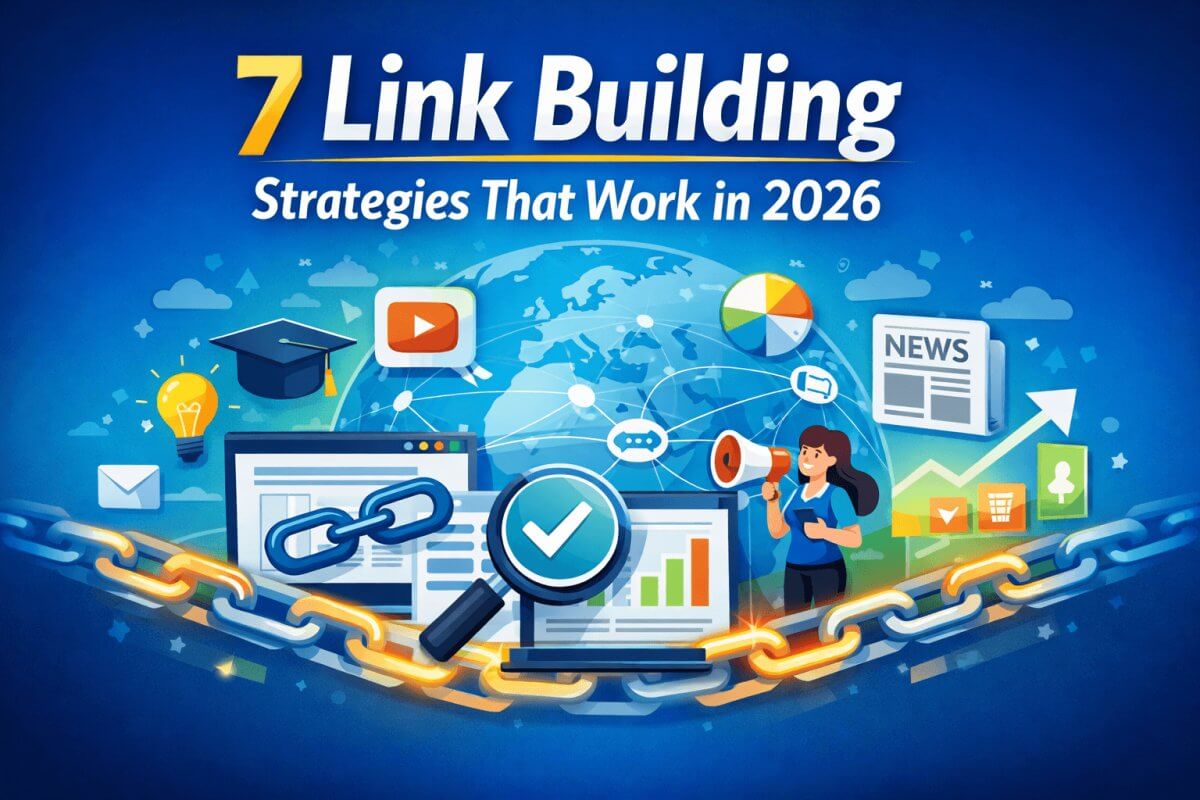
7 Amazing strategies to build links in 2026

**Updated for 2026

Although Google has aggressively cracked down on manipulative link building over the years, links remain one of the strongest ranking signals in search.

The difference in 2026 is how those links are evaluated.

From Google’s perspective, links should be the byproduct of real value – earned through relevance, authority, and genuine editorial decisions. Forced links, mass outreach, and cross-niche spam no longer move the needle and often do more harm than good.

Google has been clear about this direction in its own documentation on link spam and ranking systems, particularly in its Google Search Central guidelines.

Today, Google evaluates who is linking, why they’re linking, and how well the link fits within the surrounding content. Relevance, topical alignment, and editorial intent matter far more than raw volume.

That said, despite tighter enforcement and smarter algorithms, there are still several gray-hat-leaning but safe link building strategies that are actively used by SEO professionals – and they still work when done properly.

Below are 7 proven link building strategies that continue to perform in 2026 without putting your site at risk.


1. Guest Posting (Done Properly)

Guest posting never disappeared – it just evolved.

In 2026, guest posts only work when:

  • The site is topically relevant
  • The content adds real value to that audience
  • The link placement makes editorial sense

Google has repeatedly clarified its stance on guest posting in its Google Search Central documentation, noting that editorial intent is the deciding factor – not the act of guest posting itself.

What still works is relationship-driven publishing on authoritative, niche-aligned sites. When executed properly, guest posting delivers:

  • Contextual backlinks
  • Brand exposure
  • Trust signals
  • Long-term industry relationships

2. Expert Roundups (Modernized)

Expert roundups are still effective, but only when executed strategically.

The outdated “50 experts answer one generic question” format has largely lost impact. What works today are focused, insight-driven roundups that resemble original research or expert panels.

Well-executed roundups align closely with digital PR methodologies, a topic frequently discussed by platforms like Ahrefs and SEMrush.

Beyond links, roundups help:

  • Identify key influencers in your niche
  • Build warm outreach lists
  • Encourage organic shares and secondary links

3. Turning Brand Mentions into Links

This remains one of the easiest wins in link building.

If your brand, product, or content is mentioned without a link, you already have context and intent working in your favor. Converting those mentions into links is often a simple outreach task.

Tools like Ahrefs and BuzzSumo make it easy to identify unlinked mentions across the web.

These links are highly trusted because they’re:

  • Editorial
  • Contextually relevant
  • Difficult to fake

4. Broken Link Building

Broken link building is still effective because it solves a real problem.

The core process has been well documented by industry authorities such as Backlinko, and it continues to work when paired with quality content.

In 2026, success depends on improvement, not duplication. Your replacement content must be:

  • More current
  • More comprehensive
  • Clearly better than the original

When done correctly, broken link building produces clean, one-way editorial links with minimal risk.


5. Explainer Videos & Visual Assets

Text-only linkable assets are becoming harder to pitch.

Short explainer videos, diagrams, and visual summaries perform exceptionally well because they:

  • Improve user engagement
  • Fit naturally into editorial content
  • Offer assets publishers don’t want to create themselves

This trend aligns closely with Google’s push toward helpful content and user experience, outlined in its Helpful Content system documentation via Google Search Central.

Visual assets embedded within high-quality content frequently attract links organically over time.


6. Scholarships (Still Effective, More Scrutinized)

Scholarship link building still works – but it’s under closer scrutiny than ever.

SEO communities such as Search Engine Journal have highlighted how low-effort scholarship campaigns are increasingly ignored.

What still works:

  • Legitimate scholarships with real criteria
  • Transparent branding
  • Actual award distribution

When executed correctly, scholarships can earn high-authority educational links that are otherwise extremely difficult to obtain.


7. HARO & Journalist Platforms

Platforms like Help a Reporter Out remain valuable for earning top-tier media links, but competition is fierce.

To succeed in 2026, contributors must provide:

  • Original data or insights
  • First-hand experience
  • Fast, well-structured responses

HARO works best when treated as a PR channel, not a link building shortcut.


New in 2026: Linkable Data & Mini-Studies

One of the strongest modern strategies is publishing small, niche-specific datasets.

This approach mirrors tactics used in large-scale studies by companies like SparkToro, but can be executed effectively even at a smaller scale.

Original data gives journalists and bloggers something to cite, which naturally attracts high-quality backlinks.


New in 2026: Content Refresh Links

As publishers update older content, outdated references are removed.

By monitoring aging resources and publishing refreshed, authoritative replacements, you can earn links during editorial update cycles – one of the most natural link acquisition moments available today.

This tactic aligns closely with content decay strategies discussed by platforms like Ahrefs.


What to Avoid

So-called “niche edits” placed on hacked or compromised sites are not recommended unless you fully understand the risks. These links are unstable, temporary, and increasingly easy for Google to invalidate.

As Google’s spam detection systems improve, context and intent outweigh manipulation every time.


Final Thoughts

Link building hasn’t died – it’s matured.

The sites that win in 2026 focus on:

  • Editorial relevance
  • Topical authority
  • Long-term asset creation

If a link makes sense to a human reader, it usually makes sense to Google too.

Nikolay Stoyanov is a well-known Bulgarian SEO expert with nearly 10 years of SEO experience. He blogs about SEO on his blog NikSto.com. Nikolay practices 100% white hat SEO and has a vast experience in keyword research, on-page optimization, SEO auditing and white hat link building. He enjoys learning new things, making new friendships and improving his skills all the time.

The 5 Types of Essential Remarketing List Segmentations

The 5 Types of Essential Remarketing List Segmentations and Why You Need Ad Banner Sets Created For Each

Foreword: This post is draft number two, for a future blog post (so this is unpublished, looking for a home), but I wanted to share it here first because:
A) I think it’s important to know what the essential remarketing segmentation lists to build for own sites or clients and
B) I wanted to get your feedback and questions about the best practices surrounding Remarketing List Segmentation and the blog article overall.

I appreciate any feedback and questions, to help make it a better post, prior to submission. [Note to marketers: Described here are Segmentation Lists you should build using the Google Adwords Remarketing Pixel, BUT the CONCEPTS can be applied to ANY Ad Network/Social PPC use or CRM/Email Marketing Automation tool. Also, this post addresses the importance of each segmentation list, which then corresponds to having a NEED to produce ad banner sets with messaging+creative that matches appropriately to each list.
In other words, up to FIVE different types of Ad Banner Sets is often required for an advertiser to MAXIMIZE the effectiveness of running remarketing campaigns, using these five remarketing segmentation lists. By using these five, the ROAS (return on ad spend) can increase as much as xxx% by using the appropriate ad banner set, with the corresponding remarketing list.]
(Portland, OR – by Ed Bisquera) – Alright, so this post isn’t about WHAT remarketing is as much as it’s about what remarketing lists should you build. After all, you could just build ONE remarketing list for everyone that visits your website overall, but that wouldn’t serve your brand well or your offer to your audience justice. You want to be presenting remarketing ads that are pertinent to the buying path your website audience is on AND that is also based upon what content they’ve consumed or actions they have or have not taken.
Let’s also keep in mind that remarketing is here to stay, in our digital marketing toolbox and that by utilizing remarketing businesses can:
1. Increase their overall conversion rates with more remarketing impressions*.
2. Reach 90% of all internet users worldwide using the Google Display Network and Facebook Ad Network*.
3. Increase repeat visitors by 50%, boost conversions by 51% and increase time on site by 300%*!
4. Help SEO efforts seven-fold or make your SEO 7 Times More Awesome, because Remarketing keeps your brand in front of your audience and compels them to take action*.
(* Source: Wordstream.com)

So, let’s get down to what the FIVE different types of Remarketing Segmentation Lists EVERY competition-crushing local business needs to have, before running ANY Remarketing Campaigns. [Disclaimer: First, list segmentation will vary a bit, depending on whether you’re going to use STANDARD or DYNAMIC remarketing. In this post, we’ll focus on STANDARD, then address using dynamic remarketing where appropriate.]

Remarketing Segmentation List 1: Homepage viewers

Strategy: This is a list built upon the most broad interaction a person can have with a business website. So, as a marketer this would be anyone that views your home page, after clicking through from your email signature, social media profiles, business listings, basically anywhere on the web you have listed, promoted and advertised your main url, which goes straight to your homepage. You’ll want to have a general Ad Banner Set, that is more general in nature and speaks to your brand offer, so this type of list would most likely require a “Branding” type of Ad Banner.

Why create list 1?: To reinforce your brand across the web after people visit your home page, but that doesn’t dive deeper into your site’s content OR that have visited your website but haven’t crossed into the other types of segmentation lists as described below. It is said that a person needs to see your ad/brand at least SEVEN times before they begin to trust your brand/business and are able to recall well. If the person has never heard of you but had an initial introduction in some way to visit your home page for whatever reason and didn’t take action, they likely clicked away. Recapture their interest, present your brand again and again, by using an ad banner set to reach this list of people. How to do it: See attached document from Google.

Remarketing Segmentation List 2: Category Page Viewers

Note: As a marketer of mostly “static” services, you may or may not have categories of services and/or content categories on your website. It’s assumed that you maintain a blog and produce content on your website, that is categorized. So while this may not pertain to you at the moment, understand that you may have a need for creating this type of list in the future for your own consulting company and more importantly it’s likely your clients will need to create this type of List. This list and strategy, works especially well for multi-service category sites or e-commerce.
Using Standard Remarketing Strategy: Showcase display banner ads that match up to different product or service categories. People in this list have shown interest in a particular category or “division” of your marketing service company, let’s say content category of “Video Marketing” so your ad banner messaging to this list can speak to specials, discounts, or beta programs directly related to this category/division of your company.
How to do it: You’ll want to create separate Remarketing Lists FOR EACH Service (or Product/SKU) Category using a URL that contains the “category name.”
You’ll also want to setup an “exclusion list” for users that move deeper down the purchase funnel, so you don’t overlap your Remarketing Lists+Remarketing Ad Banners. Basically, you don’t want people to see this List 2 Ad Banners, once they move to the product purchase phase and/or complete a purchase.
You do this by creating a custom combination list CONTAINING Service/Product Category page viewers, THEN EXCLUDE Lists 3-5 (described below, which is the offer page viewers, shopping cart abandoners, and past converted buyers). You’ll then repeat for each category this same process.
Using Dynamic Remarketing Strategy: This is an advanced strategy, reserved for experienced marketers that have worked with ecommerce sites/clients, dynamic product feeds and shopping cart systems. How to do it: If you care to dive into it deeper, see attached Google document or contact me with your questions and needs for your particular situation.

Remarketing Segmentation List 3: Specific Service, Product, Offer or Landing Page viewers

For marketers, this would be pages such as landing pages with lead magnet offers. So, if you’re running a cold email marketing campaign, this could be a list built from those people that open your email, click through to the landing page you want them go to, BUT that didn’t take any further action, for whatever reason. Or traffic could come from search ppc ads, social ppc ads, or from other advertising channels.
This list could also be specific service or product pages on your website people have viewed, but did not go any further down the purchase funnel. They didn’t click on the buy button, add to shopping cart, or in the case of a lead magnet offer, they didn’t “Optin” with their email.
Strategy: You’ll want to create an Ad Banner set that re-engages users with ads content referencing this page type (landing pages and/or specific service or product pages) or with “dynamic ads” if an e-commerce site. These Ad Banners would include the Service/Product the person previously viewed (for dynamic remarketing of e-commerce sites we’ll discuss later in a follow up post). Your messaging+creative that is designed in the Ad Banners, may also speak to special discounts or offers that resonates with your potential customer to take immediate action.
How to do it: You’ll just create a remarketing list that includes all visitors to specific service or product pages on your website. Then you’ll want to EXCLUDE list types #4 & #5, “Shopping Cart Abandoners” and “Past conversions,” respectively.

Remarketing Segmentation List 4: Shopping Cart Abandoners

These are folks who added products to a shopping cart OR clicked on the buy button, but didn’t complete the purchase. These are also visitors that filled out a Lead Magnet Form BUT didn’t press the “Submit” button on the form. This list is likely going to be smaller overall, but they usually perform better, conversion-wise, versus a more broad based type visitor to your homepage.
Strategy: So basically you’ll want these visitors who were “almost done” completing the wanted action (buy conversion or lead conversion) and invite them back through the Ad Banners’ creative and messaging, to complete the process.
How to do it: You’ll build it from the logic of “Visitors of a page who DID NOT visit another page” in the drop-down menu (on the Google Adwords dashboard, under Audiences, which is beneath the Shared Library Tab). You’ll choose the URL of the shopping cart page OR the URL of the Lead Magnet Form Page.
Next, just EXCLUDE visitors who DID CONVERT, by selecting the conversion page aka the “thank you page” or whatever confirmation page that confirms those people have converted or submitted a completed lead form.

Remarketing Segmentation List 5: Past visitors that have CONVERTED

These are the visitors that bought from your site, who are now customers OR they took a conversion action, such as submitting their contact info in a lead form.
Strategy: You’ll want to run Ad Banner display ads to upset or cross-sell these customers since they are now part of your list and have actually taken valuable action on your site already. Your Ad Banner messaging could also recommend similar content, services or products to they’ve already consumed or bought.
How to do it: Easy peasy – just create a remarketing list who have reached your conversion page or purchase confirmation page. And that’s it, you’ve just built the FIVE Remarketing Segmentation Lists, highly recommended to maximize your remarketing advertising campaigns.

It is recommended you keep the overall number of remarketing lists to the strategies listed above, and you may have fewer or more, depending upon your volume of site traffic and the way your site is structured. Keep in mind the fewer the lists, the more people will be available in the lists and it will often be easier to optimize and track the statistical differences.

One last thing to note: the length of your “cookie duration” (the length of time Google keeps those visitors that have been “pixeled” aka “cookied” by your remarketing pixel) will depend on your objectives and the RELEVANCY your ad is.
For example, an e-commerce site selling Halloween costumes, may choose a shorter cookie length, say 15-30 days, since it is an date specific event and it may not take as much time for a person to decide to purchase. On the other hand, a financial services or real estate company may choose a cookie length of 3 months to a year since the sales cycle is much longer.

Remarketing is a very powerful digital marketing tool for advertisers and marketers, and using the best practices of building, at minimum, the Essential FIVE Remarketing Segmentation Lists for your website, will help you maximize your remarketing dollars and help you reach and/or exceed your ad campaign goals.
If you have further questions or comments, please feel free to leave them below. And I invite you to follow me on Twitter at @edbisquera for further content regarding remarketing, or just to say “hey” and stay in touch.

SEO Services In Richmond Hill NY

If you are looking for a reliable advertising agency to take care of all your SEO needs in Richmond Hill NY, look no further!

We are experts at what we do and with over 8 years of experience in online marketing doing SEO mostly you can count on us to take care of your online presence.

Richmond Hill SEO services

We at GODRANK will make sure to do the PROPER keyword research and the PROPER competition analysis so we can get an accurate estimates and get our clients the best ROI.

Don’t wait, your competition are working everyday on their brand and online presence.

We will work to get the clients come to you instead of your competitors.