The 5 Types of Essential Remarketing List Segmentations and Why You Need Ad Banner Sets Created For Each
Ever feel like you’re shouting into the void? You get tons of traffic to your site, but almost everyone leaves without a trace.
It’s a common frustration, but what if you could bring those people back?
In my experience, working in tough niches, I’ve learned that getting traffic is only half the battle. The real magic is in the follow-up. That’s where a smart remarketing strategy comes in, and it’s simpler than you might think.
The core idea is to stop treating all your website visitors the same. Instead, we’re going to talk to them based on what they actually did on your site. Website visitors who are retargeted are 70% more likely to convert, so this isn’t a step you want to skip.
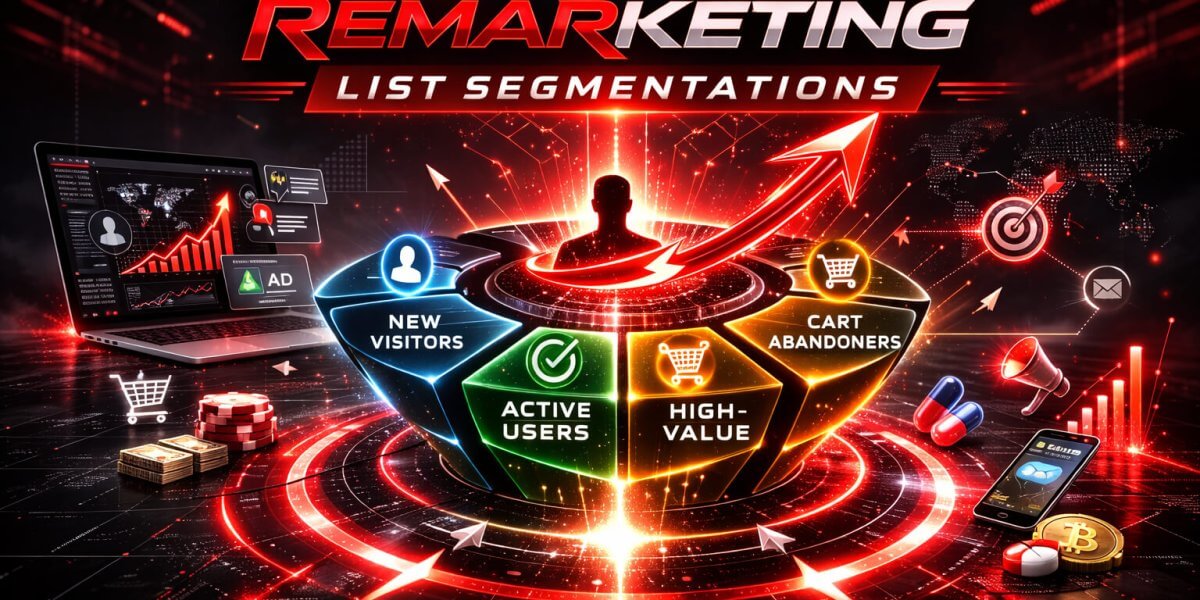
Let’s walk through the five essential remarketing lists you should be building. I’ll show you how to set them up and why each one needs its own unique message.
Remarketing Segmentation List 1: Homepage Viewers
Think of this as your widest net. This list includes anyone who lands on your homepage and then leaves. They could have come from a social media profile, an email signature, or a business listing.
They showed some interest, but not enough to pursue further.
The Strategy
The goal here isn’t a hard sell. It’s about brand recall. You want to gently remind them who you are as they browse other sites on the Google Display Network or scroll through their Facebook feed.
Your ad creative should be general and focused on your core brand message or value proposition. Think of it as a friendly “hello again” rather than a “buy now” demand.
Research suggests an optimal ad frequency is between 3 to 5 impressions per week for many campaigns; this helps build memory without causing ad fatigue.
How to Do It
In your Google Ads account, you’ll navigate to the Audience Manager to create a new audience segment. You’ll create a simple rule for “website visitors” and set the page URL to your homepage. On Facebook, you can do something similar by creating a Custom Audience based on website traffic from your Meta Pixel, targeting people who visited that specific URL.
Remarketing Segmentation List 2: Category Page Viewers
This group went a step deeper than the homepage viewers. They didn’t just visit; they also explored specific sections of your site, such as a product category or a service type.
If you have a blog, this could be people who read articles on a particular topic.
The Strategy
Now you can start getting more specific. If someone was looking at your “Video Marketing” services, your remarketing ads should speak directly to that interest. You can show them ads that mention video marketing, maybe highlighting a case study or a special offer related to that service.
This is where personalization begins, and it’s incredibly powerful. This approach works especially well for e-commerce stores using platforms like Shopify, where you can tailor ads to entire product collections.
How to Do It
You’ll create separate remarketing lists for each important category page. The rule would be “URL contains ‘category-name’.”
A pro tip is to also use exclusion lists. You’ll want to exclude people who moved further down the funnel (like adding a product to the cart) so you aren’t showing them a category-level ad when a more specific one would be better.
Remarketing Segmentation List 3: Specific Service, Product, or Offer Page Viewers
These visitors are showing strong interest. They’ve moved past general categories and are looking at a specific product, service, or a lead magnet landing page.
They are close to making a decision but haven’t pulled the trigger yet. For a PPC campaign, this might be someone who clicked an ad for a specific offer but didn’t fill out the form.
The Strategy
Your ad creative and messaging need to be highly relevant here. The best approach is to use dynamic remarketing ads, which automatically show the exact product or service the person was viewing.
Seeing the same item again can be a powerful nudge to return and finish what they started. Data shows that dynamic product ads can increase conversion rates significantly compared to static ones.
- Re-engage them with creative that references the page they saw.
- Offer a small incentive, like free shipping or a limited-time discount.
- Use dynamic ads on platforms like Facebook and Google to automatically show them the products they viewed.
How to Do It
To set this up, create a remarketing list for visitors of specific product or service URLs. Just like with category viewers, you need to be smart with exclusions. Make sure to exclude anyone who added the item to their cart (List 4) or already purchased it (List 5). This keeps your messaging sharp and relevant.
Remarketing Segmentation List 4: Shopping Cart Abandoners
This is one of the most valuable remarketing lists you can build. These are people who liked a product enough to add it to their cart or started filling out a lead form but left before completing the process.
They were just one step away from converting.
The Strategy
The mission is simple: get them to complete the purchase. Your ads should be designed to overcome any last-minute hesitation.
The average cart abandonment rate is shockingly high, with Baymard Institute calculating it around 70.19%. This means there is a huge opportunity to recover lost sales. Combining abandoned cart emails with retargeting can recover 20-30% of these lost sales.
A common and effective tactic is to present an offer that creates urgency, like a special discount that expires soon. This can be the final push they need.
How to Do It
In Google Ads, you build this audience with the logic of “Visitors of a page who DID NOT visit another page.” You would include people who visited your cart page URL but exclude those who reached the “thank you” or order confirmation page.
Remarketing Segmentation List 5: Past Visitors That Have CONVERTED
These are your existing customers or leads. They’ve already purchased something or filled out a form, so they know and trust your brand.
It’s a huge mistake to stop marketing to them.
The Strategy
The focus here shifts to increasing lifetime value. Since they’ve already converted, you can now upsell or cross-sell them on other relevant products or services. Your ad messaging can also recommend content or products similar to what they’ve already bought.
Remember, a Bain & Company study found that a 5% increase in customer retention can increase profitability by 25% to 95%. These are your most valuable contacts.
A crucial pro-tip is to use this list to create Lookalike Audiences on Facebook or Similar Audiences on Google. These platforms will find new people who share characteristics with your best customers, which is an incredibly effective way to find new, high-quality leads.
How to Do It
This is the easiest list to create. You simply build an audience of everyone who has reached your post-conversion “thank you” page. That’s it! You now have a powerful list of your existing customers to engage with new offers.
Remarketing is a powerful tool. By using these five essential segmentation lists, you can deliver more relevant ads, improve your campaign performance, and turn more visitors into loyal customers. If you have any questions, feel free to leave a comment below.
GodRank is an SEO-focused internet marketing agency helping brands compete in search through technical optimization, content strategy, and data-driven growth systems.